

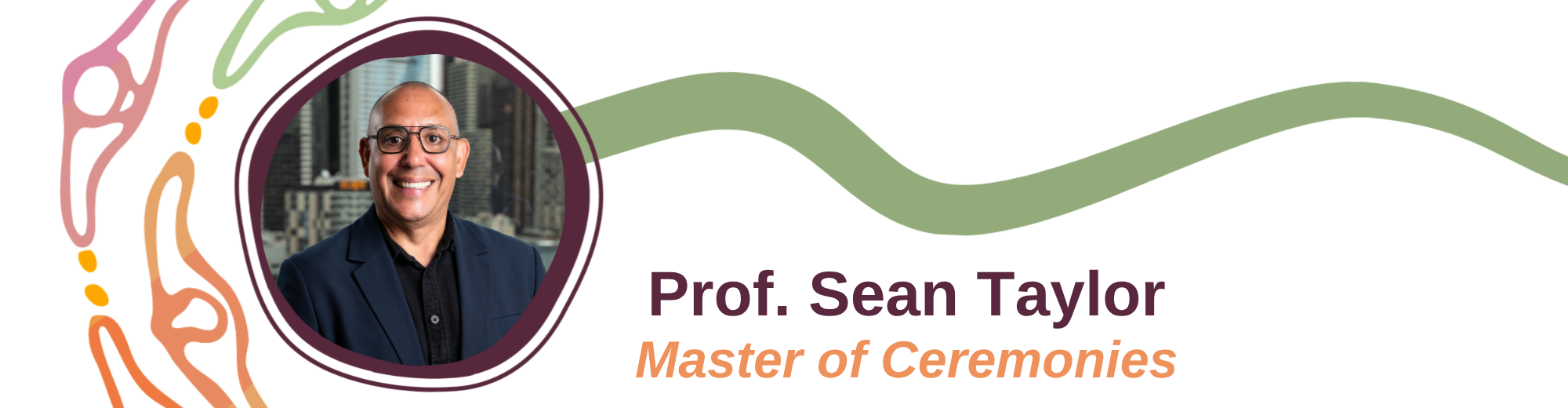
Professor Sean Taylor is a descendant of the Dauareb Tribe of Mer (Murray) Island in the Eastern Torres Strait and a nationally recognised leader in Aboriginal and Torres Strait Islander health. With more than 30 years of experience spanning clinical practice, academic leadership, research, and health system reform, his career has been dedicated to improving health outcomes and embedding culturally safe, community- and consumer-centred models of care across Australia.
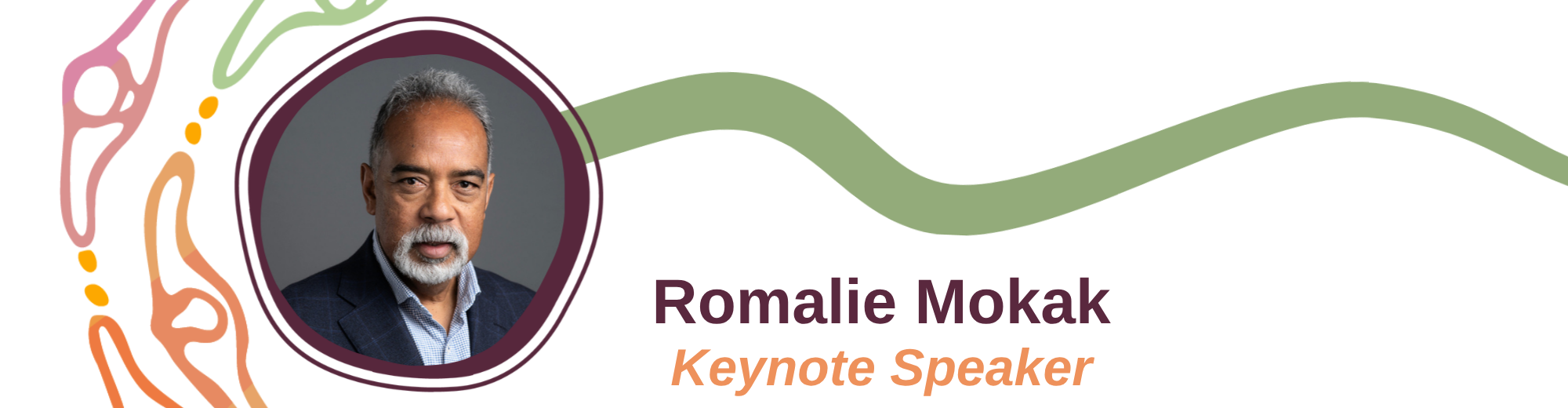
Rom is a Djugun man whose family come from Broome.
In 2024, Rom completed a term as Commissioner with the Productivity Commission where he led a body of work including the first review of the National Agreement on Closing the Gap, Aboriginal and Torres Strait Islander Visual Arts and Crafts and Indigenous Evaluation Strategy.
Prior to the Commission, he led key national Aboriginal and Torres Strait Islander organisations as CEO of the Lowitja Institute and the Australian Indigenous Doctors’ Association.
Rom previously worked for the Australian Government where he had policy and program responsibility in areas such as substance use, male health and eye health, within the Office for Aboriginal and Torres Strait Islander Health.
At the state level, he was the first Aboriginal policy officer appointed to the New South Wales Department of Ageing and Disability.
Rom was a past chair of the Indigenous Governance Awards, National Health Leadership Forum, the Canada–Australia Indigenous Health and Wellness Working Group and the Pacific Region Indigenous Doctors Congress CEOs’ Forum.
He is a board member of the Australian Institute of Health and Welfare and patron of Winnunga Nimmityjah Aboriginal Health and Community Services.
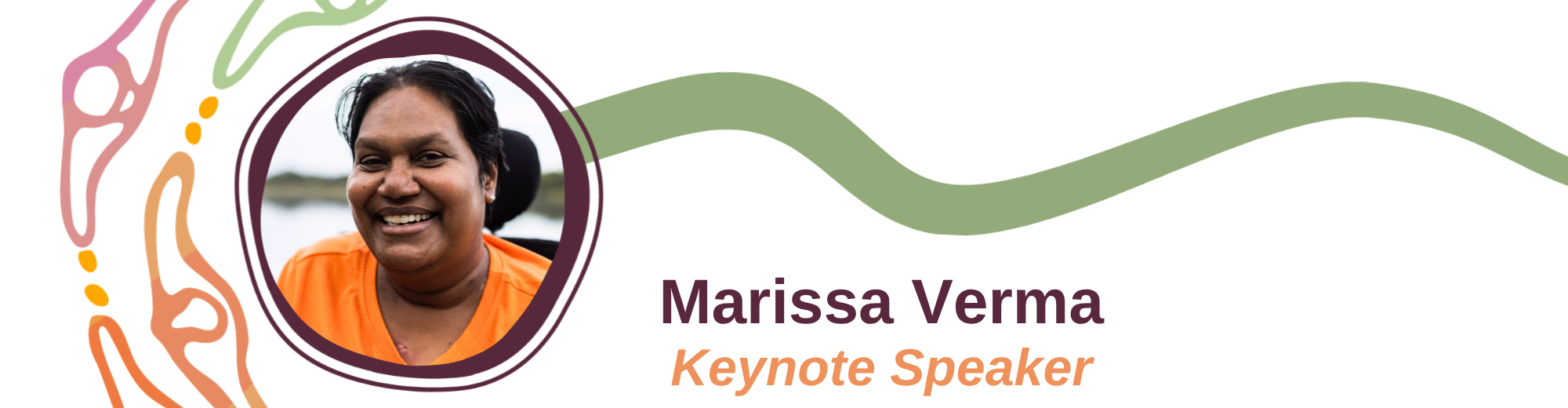
Im the managing director of an Aboriginal business called Bindi Bindi Dreaming where I was educating many about our people and communities. I offered different experiences but our most popular was our on country which included a Bushtucker bbq. Unfortunately my business stopped as I went down. I landed myself in hospital. Little did I know I had contracted a flesh eating disease known as necrotising fasciitis. It almost took my life.
My near death experience has been life changing which Im adapting to now having a disability as a bilateral woman. Life has been tough. I’ve had to adjust and do things a little bit differently. Technology has given me hope. I spent 11 months in hospital. Rehab was the most hardest part as I had to relearn everything including walking and standing. My family has been my biggest support throughout my ordeal and I’m so thankful that I have them in my life.
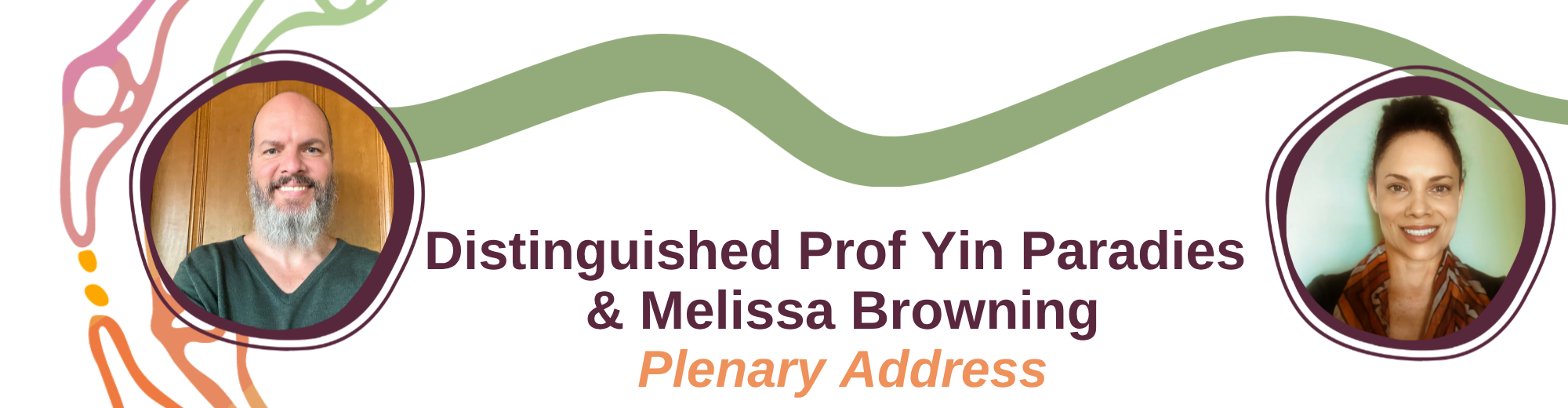
Distinguished Professor Yin Paradies is a Wakaya man and Chair in Race Relations at Deakin University where he conducts research on racism, anti-racism, cultural safety, Indigenous knowledges and decolonisation. He has authored more than 280 publications (cited over 26,000 times), been awarded grants worth $100 million and is an invited reviewer for more than 130 journals.
Melissa Browning is a proud Cudjingburra-Bundjalung, Kullilli and Kombumerri woman and the Program Manager of the Aboriginal and Torres Strait Islander Health Strategy Unit.
Melissa has a Bachelor of Management (Community) and has worked in the public health sector with Aboriginal and Torres Strait Islander Peoples for over 22 years in coordination, policy development, cultural safety and anti-racism education.
Melissa joined Ahpra in August 2023 and has led and supported the evaluation and implementation of the National Scheme’s Aboriginal and Torres Strait Islander Health and Cultural Safety Strategy 2020-2025 including the development and delivery of the next iteration 2026-2031.
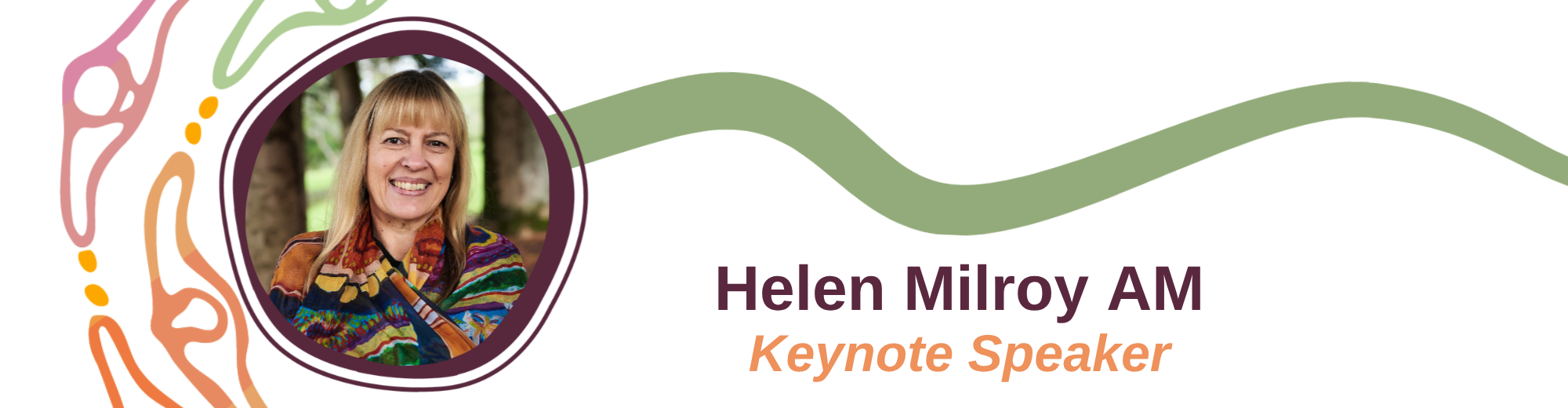
Helen Milroy is a Palyku woman whose homelands are in the Pilbara region of Western Australia. Helen is Australia’s first Indigenous doctor and currently works as Professor of Child and Adolescent Psychiatry at the University of Western Australia. Helen is also the Associate Dean Indigenous for the UWA School of Medicine and Co-director of the Embrace and Healing Families, Healing Kids Teams at the Kids Research Institute. Helen is the Chair of the Gayaa Dhuwi Proud Spirit Australia organisation and a board member of Beyond Blue.
In 2020, Helen was the joint winner of the Australian Mental Health Prize and named the WA Australian of the Year for 2021. Helen was formerly a Commissioner with the Royal Commission into Institutional Responses to Child Sexual Abuse for 5 years as well as with the National Mental Health Commission and the AFL.
Helen is also an artist and published author and illustrator of children’s books and has been shortlisted for several children’s literature awards.
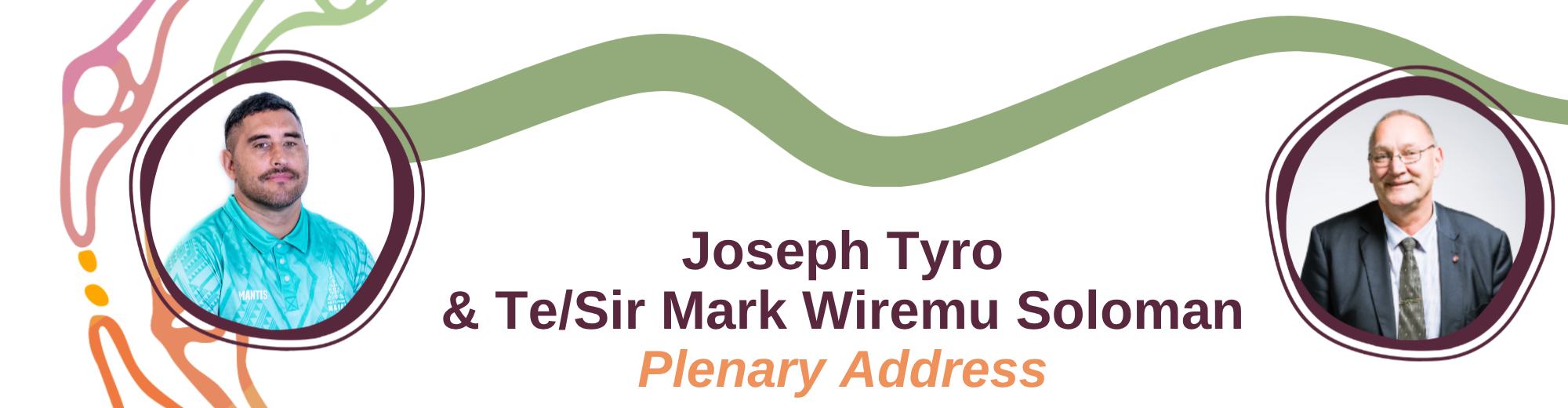
Joseph Tyro has worked across the iwi, hapu, health, tertiary education, and social services sectors for more than 25 years, dedicating his career to improving outcomes for whanau and communities. Joseph is a Registered Social Worker and has held a range of roles within the health sector, including Maori Health Worker, Clinical Social Worker, Clinical Manager, Principal Advisor, General Manager, Director, and Deputy Chief Executive.
One of Joseph’s proudest achievements was the beginning of his leadership journey in local government as a member of his community’s Youth Council where he developed a lifelong commitment to public service, community leadership, and creating positive change.
Joseph currently serves as Chairperson of Te Hapu o Ngati Wheke (Rapaki), operates his own consultancy company, and works as a Kaihautu supporting tangata whaikaha, whanau with intellectual disability challenges. He is also a member of the New Zealand Institute of Directors, the Malaghan Institute of Medical Research, and the Royal Australasian College of Dental Surgeons Board of Studies. In 2023, Joseph was honoured to receive the Emerging Director Award from the New Zealand Institute of Directors.
Mark Wiremu Solomon is a respected Maori leader with extensive experience across the health, iwi, governance and community sectors. He has worked for many years within the health arena contributing to the advancement of Maori health and wellbeing through leadership, advocacy, strategic governance and community engagement.
Mark has held senior governance and advisory roles that have focused on improving health outcomes for Maori, strengthening whanau-centred approaches to care and supporting equitable access to health services. His experience spans primary health, public health, social wellbeing and cross-sector initiatives that address the broader determinants of health including housing, education, employment and cultural identity.
Grounded in te Ao Maori and guided by the principles of manaakitanga, whanaungatanga and rangatiratanga Mark is committed to indigenous-led solutions and the strengthening of Maori health aspirations. He is a strong advocate for partnership, cultural safety and the recognition of indigenous knowledge within health systems.
Mark brings to the symposium a wealth of practical experience in health governance, community leadership and indigenous wellbeing together with a longstanding commitment to supporting healthier futures for whanau, Hapu and iwi
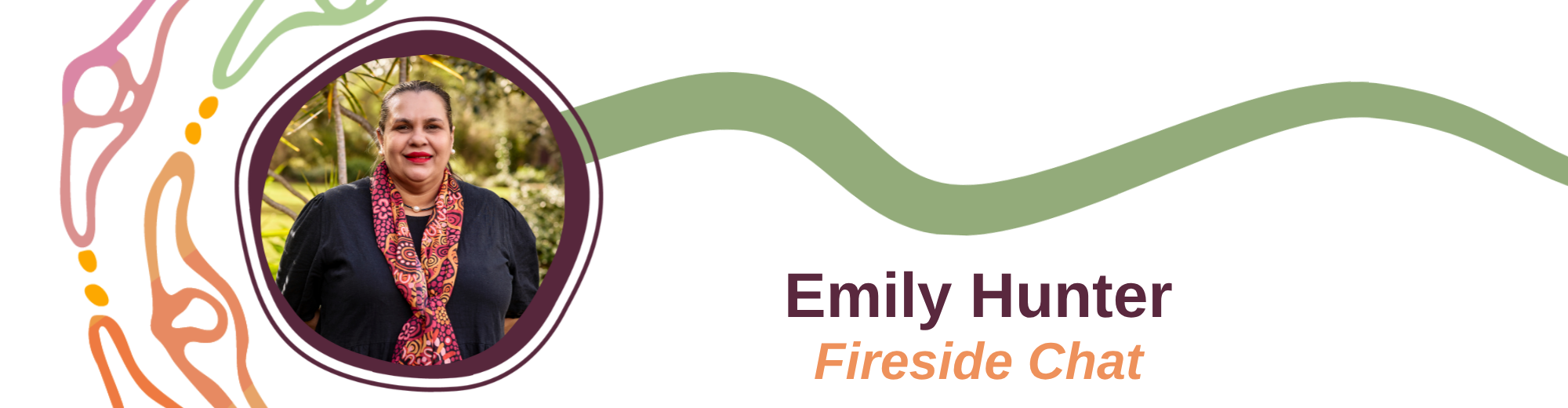
Emily Hunter is a proud Nyikina woman from the West Kimberley region of Western Australia and Kokatha woman from remote South Australia. She is the After Hours Nurse Manager, Broome Regional Hospital, a proud mother of three beautiful children and an experienced Registered Nurse with more than twenty years dedicated to improving health outcomes for Aboriginal and Torres Strait Islander communities.
After graduating from the University of Notre Dame Australia in Broome, Emily has built an extensive nursing career across emergency, theatre, paediatrics, infection prevention and control, and nursing leadership. She is widely respected for her commitment to culturally safe healthcare, mentoring emerging Aboriginal health professionals and advocating for equitable access to health services across regional and remote Australia.
Inspired by a family legacy of leadership in Aboriginal health, the eldest of Dr Arnold ‘Puggy’ Hunters’ children, Emily continues to champion culturally safe care, community-led health outcomes and opportunities for the next generation of Aboriginal and Torres Strait Islander health professionals. Her journey reflects the enduring impact of the Puggy Hunter Memorial Scholarship Scheme and its role in supporting Aboriginal and Torres Strait Islander leaders to transform health outcomes for their communities.