World Hearing Day 3 March 2026

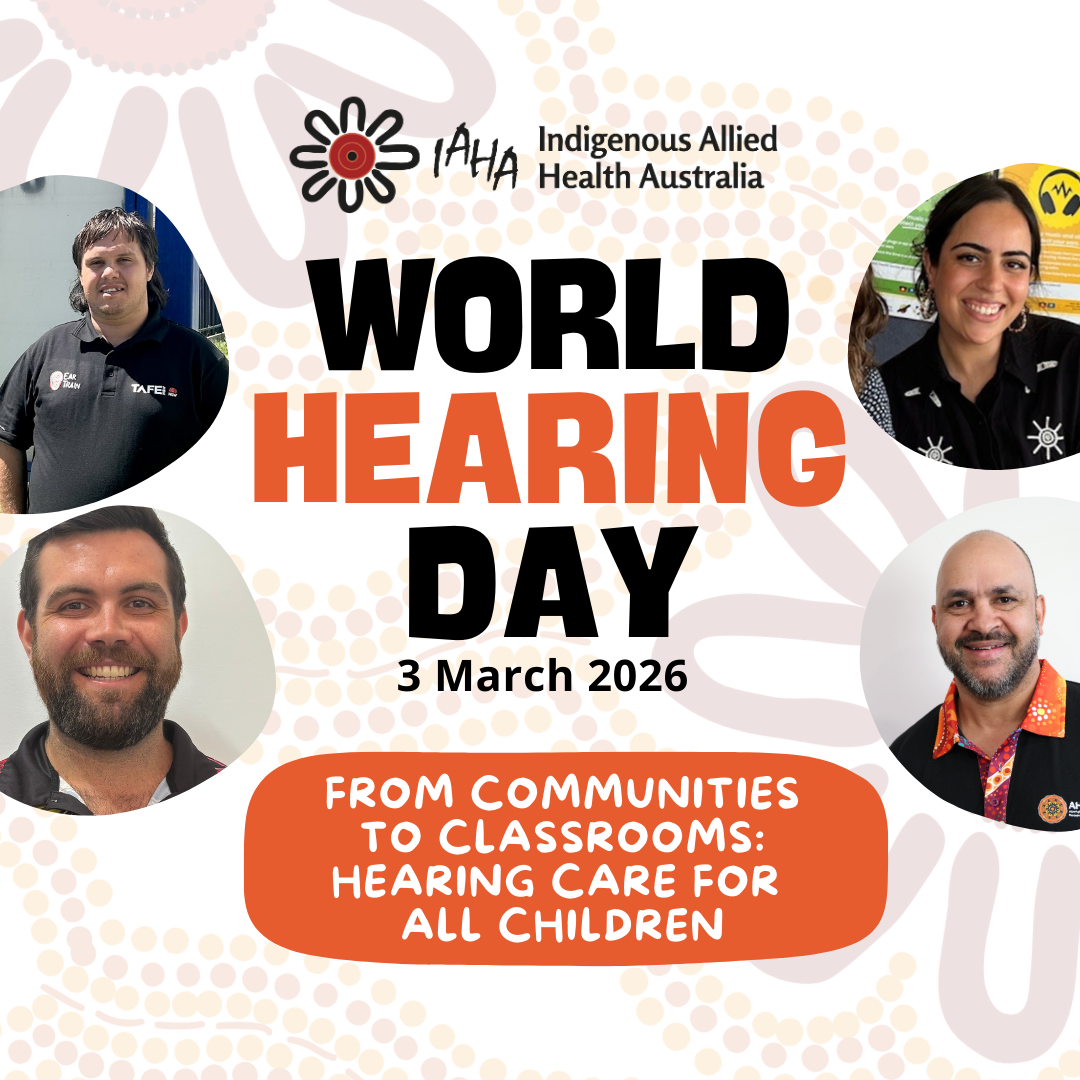
World Hearing Day is held on 3 March each year to raise awareness on how to prevent deafness and hearing loss and promote ear and hearing care across the world.

The theme this year  “From communities to classrooms: hearing care for all children” focuses on two imperatives:

  • Preventing avoidable childhood hearing loss
  • Ensuring early identification of and care for children with ear or hearing problems

Communities and classrooms are natural entry points to reach children, parents, and teachers. By integrating hearing care into school health and child health programmes, we can help children hear, learn, and succeed. 

You can find out more about World Hearing Day HERE.

This World Hearing Day, we’re showcasing four IAHA members working in the hearing and ear health sector. Read about Ryan, Joey, Mandy and Laila’s journey in hearing and ear health – including why they wanted to work in the sector, their favourite part of their jobs and what this year’s theme “from communities to classrooms” means to them. 

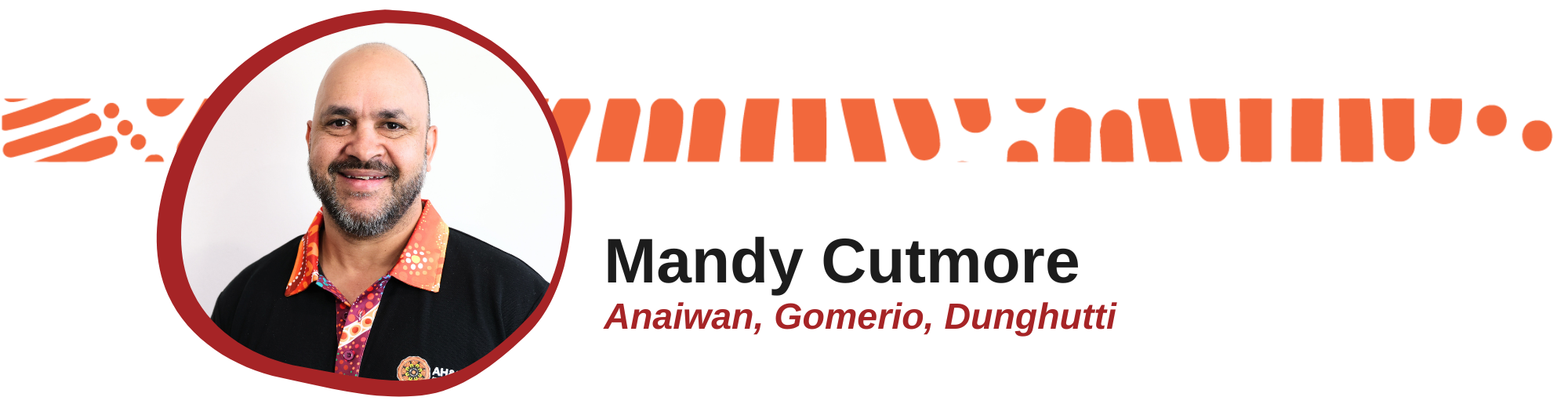
Mandy Cutmore

What is your name: Mandy Cutmore 

Location (Nation Name): Anaiwan (Armidale NSW) 

Mob: Anaiwan, Gomerio, Dunghutti 

What is your qualification and why did you choose to study it? 

I completed a Diploma in Audiometry in 2022. I chose this pathway because I wanted to help my family and my community. At the time, I discovered that fewer than ten Aboriginal people across the country were qualified in this field, and I knew there was a real need for culturally informed hearing health professionals. 

My journey into audiometry became even more personal when my son was diagnosed with a permanent hearing loss. For years, we attended hearing services trying to understand what was happening, but I found the clinical language confusing and the referral pathways difficult to navigate. Many of the reports were hard to interpret, and the information given to me often left me feeling overwhelmed and unsure of what to do next. 

These experiences made me determined to ensure that other families – especially Aboriginal families – wouldn’t have to feel lost or unsupported. Studying audiometry gave me the skills to not only understand my son’s care pathway but also to advocate for clearer, culturally safe, and accessible hearing services for our people. 

What is your favourite part of your job/ study? 

My favourite part of my job is having the opportunity to visit Aboriginal communities across NSW and across the country. Being able to sit with people of all ages, yarn about their ears, and share knowledge about hearing and ear health is incredibly meaningful. 

I love being able to educate, empower, and inform communities about the importance of looking after their hearing – not just for today, but for the long-term wellbeing of children, families, and future generations. 

Having those real, on-Country conversations and seeing people feel more confident and informed about their health is what makes this work so rewarding. 

What does this year’s theme mean to you as an Aboriginal and or Torres Strait Islander Allied health professional? 

As an Aboriginal and/or Torres Strait Islander allied health professional, this year’s theme – “From communities to classrooms: hearing care for all children” – highlights the importance of grounding all hearing and ear health work in community first. To me, it reflects that real impact begins at a local level, with families, culture, and community-led approaches guiding the way. 

The theme also reinforces that hearing health doesn’t sit in one place – it needs to be prioritised everywhere our children learn, grow, and feel safe, whether that’s in the community, at home, or in the classroom. Spreading the message across sectors is vital, but it’s the strength and knowledge within community that must always remain at the centre of children’s hearing care. 

What is your favourite thing about IAHA? 

My favourite thing about IAHA is the people. The staff are genuinely amazing – always willing to help, incredibly supportive, and deeply committed to community. They bring such a friendly, welcoming energy to everything they do. Their strong community focus and their passion for supporting Aboriginal and Torres Strait Islander allied health professionals truly sets IAHA apart. 

They don’t just do the work – they live the values, and it shows in every interaction. 


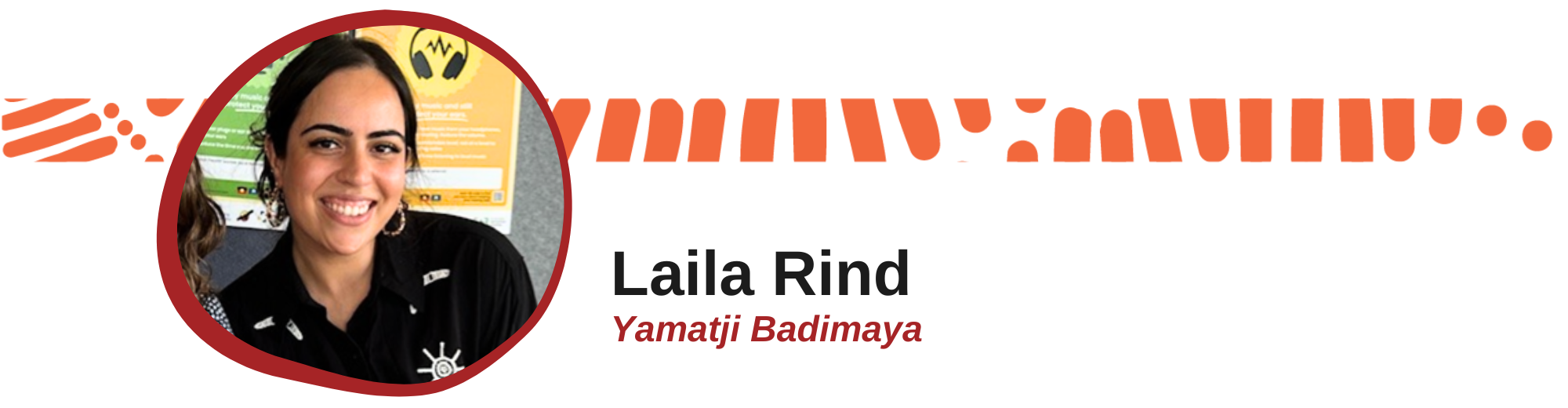
Laila Rind

What is your name: Laila Rind 

Location: Noongar Country (Perth) 

Mob: Yamatji Badimaya 

What is your qualification and why did you choose to study it? 

Masters in Clinical Audiology. I chose to study audiology because I believe hearing is central to learning, communication, and connection. Majority of hearing loss is preventable and treatable, yet our mob are disproportionately affected by ear disease and hearing loss. I wanted to be part of improving access to culturally safe care and early support, and to better advocate for Aboriginal children, our families, and our communities. 

What is your favourite part of your job/ study? 

What I love most about being an audiologist is helping people reconnect with the sounds and voices that matter to them. it’s incredibly rewarding to see someone’s confidence and connection to family and community grow when their hearing improves. 

What does this year’s theme mean to you as an Aboriginal and or Torres Strait Islander Allied health professional? 

This year’s Hearing Day theme reminds me that caring for our ears and hearing is about protecting our connection to culture, our community, and our country. Aswell as ensuring our mob have access to services that respect our ways and keep our families strong and connected. 

What is your favourite thing about IAHA? 

What I love about IAHA is that it truly supports Aboriginal health workers to care for our communities in a way that respects culture, connection, and our ways of knowing. 


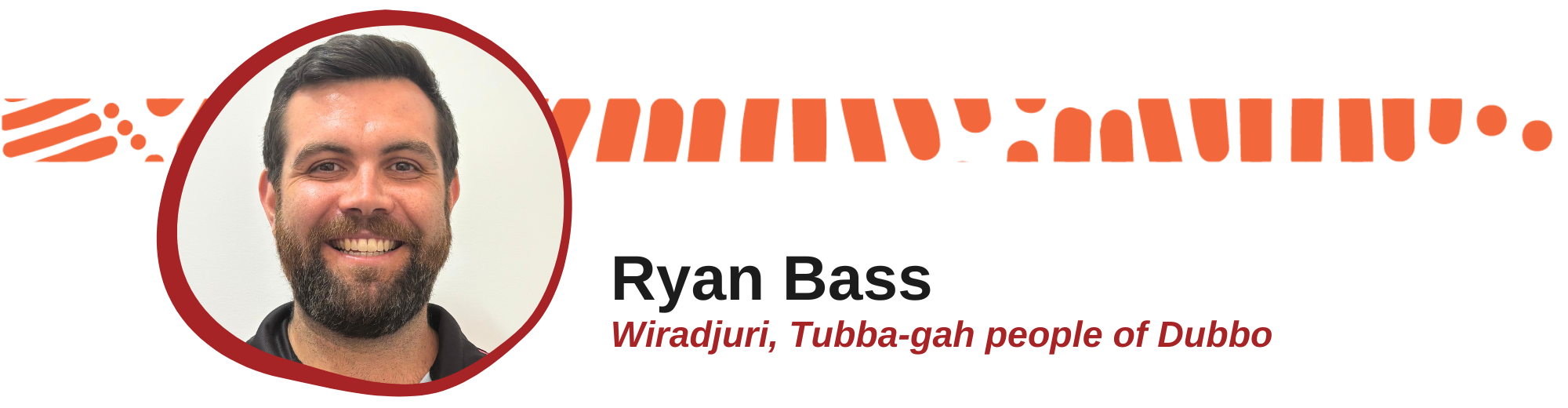
Ryan Bass

What is your name: Ryan Bass 

Location (Nation Name): Living on Awabakal and Worimi country (Newcastle) 

Mob: Wiradjuri, Tubba-gah people of Dubbo 

What is your qualification and why did you choose to study it? 

I’m an Aboriginal Health Worker currently studying a Certificate IV in Audiometry and a Certificate IV in Aboriginal and Torres Strait Islander Primary Health Care Practice. I entered the healthcare field out of a strong passion for helping and empowering others. I see healthcare as a powerful pathway to advocate, support and improve health outcomes for mob! 

What is your favourite part of your job/ study? 

My favourite part of my work and study is being able to work alongside mob and support our communities to take control of their health and wellbeing. I am especially passionate about ear and hearing health in children- understanding the profound impact hearing can have on speech, learning, confidence and long-term outcomes. 

Studying through the Aboriginal Health & Medical Research Council has been an incredibly rewarding experience. The adult learning environment has allowed me to grow both personally and professionally. I’ve had the opportunity to build strong connections with classmates from across NSW. Learning from their diverse experiences and forming those relationships is something I will always value and carry with me throughout my career. 

What does this year’s theme mean to you as an Aboriginal and or Torres Strait Islander Allied health professional? 

This theme is deeply meaningful to me because I have seen firsthand the impact hearing health has on our communities. In a previous role in Dubbo, I worked in a hearing screening program alongside an Audiologist, visiting 21 schools across 10 communities. We identified hearing concerns in every community and played an important role in early detection, referral and ongoing support. 

My passion is also personal as hearing issues have affected my own family, most recently having my three-year-old son who underwent surgery for grommets and adenoidectomy. That experience strengthened my commitment to improving access to culturally safe ear and hearing care for our bubs and their families. 

What is your favourite thing about IAHA?? 

My favourite thing about IAHA is how they support and empower Aboriginal and Torres Strait Islander health professionals. I really value the way they create safe spaces to learn, connect and grow. IAHA’s focus on strengthening our health workforce and uplifting our voices is inspiring and it motivates me to continue developing as a health worker so I can better support my community. 


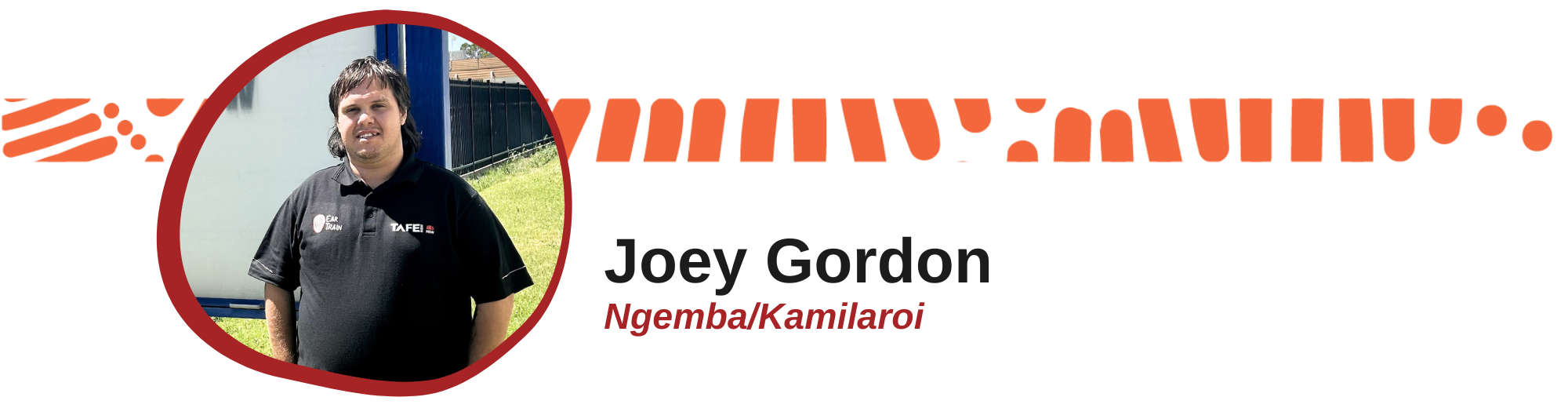
Joey Gordon

What is your name: 
Joey Gordon 

Location (Nation Name): 
Ngemba Nation – Brewarrina, NSW 

Mob: 
Ngemba/Kamilaroi man?? 

What is your qualification and why did you choose to study it? 

I am an Aboriginal Health Practitioner and hold a Diploma of Audiometry. I currently work as a Project Support Officer with the EarTrain program at TAFE NSW, supporting ear and?hearing?health training across communities. 

I chose to study audiometry because I saw how common ear disease and?hearing?loss were in our communities, especially among children.

Too often our kids were labelled as disengaged or not listening, when in reality they just couldn’t hear properly. I wanted to build strong clinical skills in?hearing?assessment while also ensuring that care is delivered in a culturally safe and community-led way. Completing my Diploma of Audiometry allowed me to combine technical knowledge with lived experience and cultural understanding. 

What is your favourite part of your job/study? 

My favourite part has been the journey – from working directly in classrooms and schools supporting children with ear health, to now helping build the skills and confidence of others delivering that care. 

I’ve always valued helping kids feel comfortable during ear checks and making?hearing?health something that isn’t scary or shameful. Now, I also find real purpose in strengthening the capability of health workers and services in ear health. It’s powerful knowing the knowledge stays within community and continues to support our kids into the future. 

What does this year’s theme mean to you as an Aboriginal Allied Health professional? 

“From communities to classrooms” really reflects what we see every day.?Hearing?health isn’t just a clinical issue – it directly impacts learning, confidence and long-term opportunities. 

If a child can’t hear properly, they can’t fully engage in the classroom. Acting now means early screening, timely treatment, and strong partnerships between health services, schools and families. 

For me, it means making sure no Aboriginal child is left behind because their?hearing?needs weren’t identified or supported early enough. 

What is your favourite thing about IAHA? 

My favourite thing about IAHA is how it centres culture and community in allied health. IAHA creates a strong network of Aboriginal and Torres Strait Islander health professionals who uplift one another and advocate for culturally safe care. It’s powerful knowing we’re part of a broader movement strengthening the workforce for our mob. 

Thanks again for the opportunity. I’m proud to stand alongside IAHA in this work.